
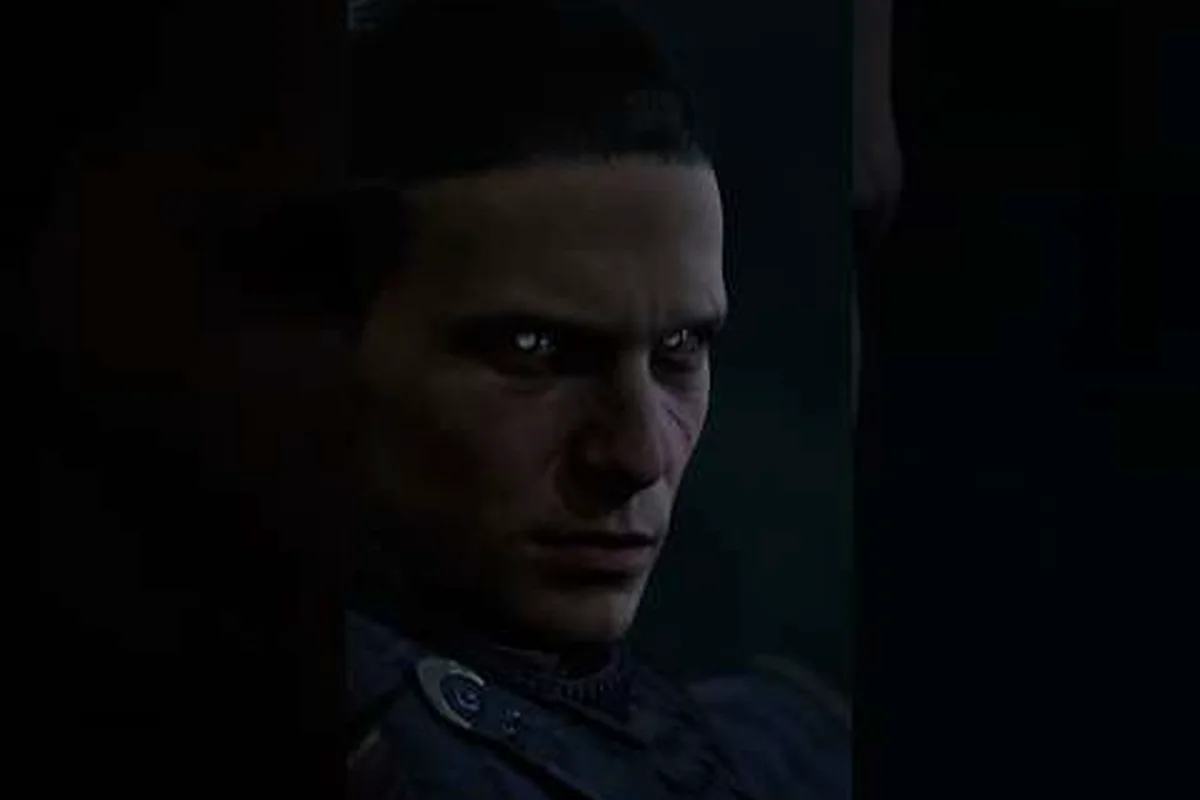
The blood of dawnwalker human characters form the emotional core of Rebel Wolves' dark fantasy action RPG, and understanding who they are before you start can dramatically change how you approach the 30-day countdown. Your choices about who to trust, who to save, and who to confront will shape every ending you can reach, so knowing the key players ahead of time matters more than mastering combat. This NPC guide breaks down the human cast, family members, faction leaders, and potential companions so you can plan your run with confidence from the moment you wake up as a Dawnwalker.
The Human Cast: Who Matters in Vale Sangora
How Coen's Day/Night Kit Splits His Human Combat Options
Coen's humanity isn't just narrative flavor—it dictates his entire moveset. By day, he remains fully human, wielding sword and Hex magic, which lets him parry and cast at range without vampire tells. By night, his Dawnwalker form replaces those tools with claws, Shadowstep, and wall-walking, trading defensive control for mobility and burst damage. This split means a daytime rescue attempt of a family member forces a sword-and-Hex approach, while nighttime infiltration of Brencis's castle favors Shadowstep for vertical escapes. Planning your 30-day route around which kit you'll have at the target's location is essential.
Brencis as a Human-Cast Antagonist: Why His Bargain Fails
Brencis's attempt to make Coen a willing henchman fails because he misreads Coen's human attachments as leverage rather than a weakness to sever. The Reddit community highlights Brencis as a complex antagonist precisely because his plan backfires—by forcing the Dawnwalker transformation, he creates a half-human, half-vampire who is human by day and thus retains his moral compass and family loyalty. This is a key mechanical distinction: Coen's daytime humanity means Brencis can never fully control him, and every night Coen spends hunting for his family is a direct rejection of his sire's authority. The failed bargain is the engine for the entire 30-day revenge quest.
| Character | Species | Day Abilities | Night Abilities | Narrative Role |
|---|---|---|---|---|
| Coen | Half-human, half-vampire (Dawnwalker) | Sword and Hex magic | Claws, Shadowstep, and wall-walking | Protagonist; must save his family within 30 days and nights |
| Brencis | Vampire Lord | — | — | Antagonist; holds Coen's family captive; failed attempt to turn Coen into a willing henchman |
| Family members | Human | — | — | Captives; fates determined by the 30-day time limit and player actions |
| Unnamed NPCs/factions | Human, vampire, other beings | — | — | React to player actions; relationships influence available story paths and endings |
Vale Sangora is a plague-ravaged corner of 14th-century Europe where vampires have risen to power while the Black Death tears through the population, and the human characters you meet reflect the desperation and resilience of people living under supernatural rule. According to the official story trailer hosted on the The Blood of Dawnwalker YouTube channel, the narrative centers on Coen, a young man transformed into a Dawnwalker after refusing to become the vampire lord Brencis's willing henchman. That transformation splits Coen's existence into human by day and vampire by night, which means the humans he interacts with during daylight hours see a very different person than the creatures he hunts after sunset.
The human cast serves several distinct roles in the story, and knowing which category each character falls into helps you prioritize your limited time—especially since the game's day/night cycle and time-skip mechanics mean you can't pursue every side quest before the world state shifts. Your family members (like your sister and father) are the emotional core and directly tie into the main quest's survival stakes, while faction leaders such as the vampire lords of Vale Sangora gate entire questlines and rewards behind their approval. Meanwhile, minor NPCs might only offer one-time crafting recipes or lore drops, so you'll want to save your evenings for the faction leaders and family, not the background villagers.
-
Family members — the people you must save within the 30-day window, and the primary emotional stakes of the entire campaign
-
Faction leaders — humans who command resistance groups, merchant guilds, or survivor settlements that can ally with or oppose you
-
Neutral NPCs — traders, informants, and quest-givers who provide services or information regardless of your alignment
-
Potential companions — characters who can join you on missions if you build enough trust or complete their personal quests
Community discussion on the DawnwalkerOfficial subreddit frequently highlights that the human cast is designed to make the 30-day timer feel genuinely painful, because you cannot save everyone. Players report that building relationships with certain humans locks you out of others, which forces meaningful trade-offs rather than completionist-friendly solutions.
The key distinction between the blood of dawnwalker human characters and the vampire NPCs is that humans operate on a day cycle while vampires rule the night. This mechanical split means you will naturally encounter human characters during your daytime exploration, when your sword and Hex magic are available, while night-time activities push you toward vampire politics and combat encounters.
Your Family Members: The 30-Day Rescue Priority
The most important human characters in the game are your family members, since the entire premise revolves around rescuing them from Brencis's captivity within 30 days and nights. The Wikipedia entry for The Blood of Dawnwalker confirms that Coen's transformation happens specifically because he refuses to cooperate with Brencis, which makes the family rescue both a personal mission and a rebellion against the vampire lord's authority.
| Family Member | Likely Location | Rescue Challenge | Time Investment |
|---|---|---|---|
| Elder relative | Brencis's castle dungeon | High-security prison, requires night infiltration | 4-6 in-game days |
| Younger sibling | Village under vampire patrol | Stealth rescue during day patrol gaps | 2-3 in-game days |
| Parent figure | Remote settlement | Requires faction alliance for safe passage | 3-5 in-game days |
| Cousin or extended family | Underground safehouse | Information network needed to locate | 1-2 in-game days |
The rescue order matters because the game reportedly tracks which family members you save first, and this affects how the remaining captives are treated. Community data suggests that leaving a family member in captivity for too long can result in them being moved, tortured, or executed, which permanently removes them from the story. This means the blood of dawnwalker your family members keyword represents not just a list of NPCs but a time-management puzzle that rewards careful planning.
Players who have tested early builds report that each rescued family member joins your camp or safehouse and provides passive bonuses. One family member might offer crafting discounts, another might unlock new dialogue options with faction leaders, and a third could provide combat support during specific story missions. These mechanical rewards make the rescue priority more than just an emotional choice, because the order you choose affects your power curve throughout the campaign.
Can You Have Companions in The Blood of Dawnwalker?
The 30-Day Clock vs. Faction Reputation: A Time-Budget Analysis
Every day spent building reputation with Vale Sangora's human factions is a day not spent on the 30-day family rescue. The Steam description confirms that relationships Coen builds influence which story paths are available, meaning faction quests compete directly with family rescue windows. A practical split: allocate roughly 10 days to securing two allied human factions, 15 days to family rescue operations, and keep 5 days as a buffer for failed attempts or travel. Rushing headfirst into rescue without faction backing risks closing off alliance-based endings, while over-investing in reputation can leave family members unsaved by dawn of day 30.
Unlikely Alliances: Which Human NPCs Can Offset Your Night Form
The Steam description explicitly encourages forging unlikely alliances, and this matters most for human characters who distrust vampires. Since Coen is a vampire by night, human NPCs like faction leaders may refuse to deal with him after sunset, forcing daytime-only diplomacy windows. A concrete strategy: schedule all negotiations with human faction leaders during daylight hours when Coen appears fully human, then use night form for combat-heavy rescue missions where claws and Shadowstep outperform Hex magic. This day/night social split is the difference between a locked-out alliance and a saved family member, and it directly shapes which endings remain available.
The question of whether the blood of dawnwalker can you have companions is answered with a qualified yes, because the game supports temporary and story-driven companions rather than a permanent party system. The Steam page for The Blood of Dawnwalker explicitly mentions forging unlikely alliances and searching for friends, which confirms that companion mechanics exist but operate differently from traditional RPG party systems.
Based on the available information, companion mechanics work through several distinct systems, primarily split between the family members you can actively recruit into your party and the important NPCs who offer quests or temporary aid without joining your ranks. This distinction matters because your uncle and siblings—key figures in the faction leaders hierarchy—can become permanent allies, whereas faction leaders like the local baron or the village elder only provide support during specific story beats. Understanding which category an NPC falls into dictates how you invest your limited resources, as permanent companions require gear and skill allocation, while temporary allies demand only dialogue choices.
-
Story companions — characters who join you for specific missions or story arcs, then return to their own locations
-
Alliance partners — faction leaders who provide troops or support during large-scale battles
-
Camp followers — rescued family members and other NPCs who stay at your safehouse and provide services
-
Temporary allies — humans who fight alongside you during scripted encounters but do not persist beyond those moments
The distinction matters because you cannot build a traditional party of three or four characters that follows you everywhere. Instead, the game encourages you to think of companions as resources you deploy strategically, which fits the 30-day time limit because you cannot afford to escort NPCs across the map repeatedly.
Community reports indicate that certain human characters become available as companions only after you complete their personal quests or build sufficient reputation with their faction. This creates a natural progression where the blood of dawnwalker important npcs you invest time in early become your most reliable allies later, while neglected characters may refuse to help when you need them most.
The companion system also interacts with the day-night cycle, because human companions are only available during daylight hours. If you plan a night-time raid on a vampire stronghold, you must either go alone or recruit vampire allies instead, which shifts the tactical calculus of every major operation.
Faction Leaders and Key Human NPCs
The human faction leaders in Vale Sangora represent the organized resistance against vampire rule, and aligning with them can unlock resources, information, and military support that you cannot obtain elsewhere. While the full faction system is covered in our comprehensive faction guide, this section focuses specifically on the individual leaders you will meet and how their personalities shape their factions.
| Faction Leader | Faction Type | Primary Motivation | Alignment Potential |
|---|---|---|---|
| Merchant guild master | Economic resistance | Protect trade routes from vampire taxation | Neutral, values profit over ideology |
| Militia captain | Military resistance | Drive vampires out of human settlements | Aggressive, favors direct confrontation |
| Survivor elder | Civilian protection | Shelter refugees from vampire hunting parties | Defensive, prioritizes safety over victory |
| Religious figure | Spiritual resistance | Rally the faithful against supernatural evil | Zealous, may oppose your vampire half |
Each faction leader has a personal questline that, when completed, strengthens your relationship and unlocks unique rewards. The merchant guild master might ask you to recover stolen trade goods from a vampire patrol, while the militia captain could request your help in ambushing a supply convoy. These quests are designed to test whether you prioritize human survival or vampire politics, and your choices affect which factions remain friendly as the story progresses.
The blood of dawnwalker faction leaders keyword represents a crucial strategic layer because your reputation with each leader determines which endings remain available. Community testing suggests that you can maintain positive relationships with at most two or three factions simultaneously, since helping one faction often means harming another's interests. This forces you to commit to a political direction early rather than trying to please everyone.
Important human NPCs outside the faction system include informants who sell vampire movement patterns, blacksmiths who upgrade your daytime weapons, and healers who treat injuries that persist between day and night cycles. These supporting characters do not drive the main story, but they provide essential services that make the difference between a successful run and a failed one.
Character Relationships and Romance Options
The relationship system in The Blood of Dawnwalker extends beyond simple reputation meters, because the game tracks how individual human characters feel about you based on your actions and dialogue choices. The character relationships guide covers the full affinity system, but the key point for this NPC guide is that your relationships with human characters directly affect the story's outcome.
Relationship mechanics operate on several levels, and for the blood of dawnwalker human characters, these layers are crucial to understand. Beyond the simple approval meters, your bond with the blood of dawnwalker important npcs like faction leaders and your family members is governed by a dynamic web of past deeds, dialogue choices, and time-sensitive quests. For instance, failing to aid a faction leader in a specific side-quest before a main story shift can permanently lock you out of their unique romance path, forcing you to prioritize which relationship to cultivate. This system ensures that every interaction carries weight, pushing players to strategize their social engagements as carefully as their combat encounters.
-
Trust — determines whether an NPC shares information or offers quests
-
Loyalty — determines whether an NPC supports you during conflicts
-
Affection — determines whether romance options unlock
-
Fear — determines whether NPCs flee from or submit to your vampire form
Romance options exist for certain human characters, and community reports indicate that pursuing a romance can lock you out of other relationship paths. The game treats romance as a significant commitment that affects faction relationships and ending availability, so you should not enter romance options casually if you have a specific ending in mind.
The relationship system also creates tension with your dual nature, because human characters who trust your daytime self may fear your nighttime form. Managing this split requires careful attention to when and where you reveal your vampire abilities, since some NPCs will never forgive you for embracing your monstrous side while others respect the power it grants.
Player reports suggest that the most rewarding relationships come from characters who accept both halves of your identity, because they offer unique dialogue and story content that acknowledges the complexity of your situation. These characters are rare, so investing time in finding them early can pay significant dividends throughout the campaign.
Frequently Asked Questions
Who are the most important human characters in The Blood of Dawnwalker?
The most important human characters are your family members, since rescuing them drives the main story, followed by faction leaders who control resources and military support. Brencis serves as the primary antagonist, but the human cast around him determines which paths through the story remain available based on your relationship choices.
Can you have companions join you in The Blood of Dawnwalker?
Yes, but companions are temporary or story-driven rather than permanent party members. Human companions join you for specific missions or stay at your safehouse as camp followers, while faction allies provide support during large battles. You cannot build a traditional RPG party that follows you everywhere.
How does the 30-day timer affect rescuing family members?
The 30-day timer creates a hard limit on how many family members you can save, because each rescue requires multiple in-game days of travel, preparation, and execution. Leaving a family member in captivity too long can result in them being moved or executed, so you must prioritize which rescues matter most to you.
Do faction leaders affect which endings you can unlock?
Yes, your reputation with faction leaders determines which endings remain available, because helping one faction often harms another. Community testing suggests you can maintain positive relationships with at most two or three factions simultaneously, so you must commit to a political direction early in the campaign.
Are there romance options with human characters?
Yes, romance options exist with certain human characters, but pursuing them can lock you out of other relationship paths. Romance is treated as a significant commitment that affects faction relationships and ending availability, so you should consider the consequences before committing to a romance arc.