
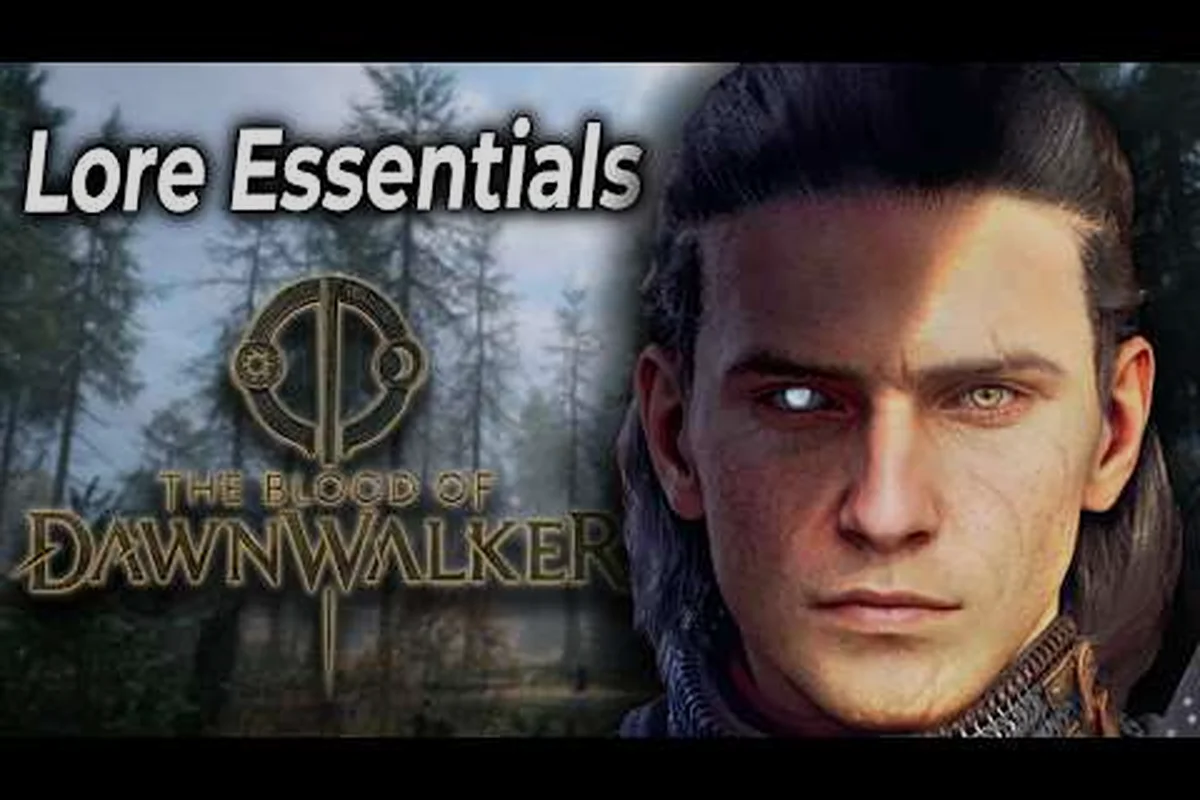
The townspeople faction in The Blood of Dawnwalker is the most complex social group you will navigate in Vale Sangora, because it is the only faction that both shelters you and fears you at the same time. Your dawnwalker status — that uncomfortable half vampire half human condition — places you in a unique social position where every conversation, every quest, and every reputation choice carries double meaning. Understanding how this faction operates matters more than any combat build, since the townspeople control access to merchants, quest givers, and safe houses that keep your 30-day timer manageable.
The game's core tension comes from the blood tax system, where the vampire lord Brencis demands a few drops of blood from every adult during monthly gatherings, and the weak or infirm are typically put to death during these rituals. This oppressive institution breeds widespread discontent among the inhabitants, who are forced into servitude under the vampire lords. Your role as a dawnwalker means you can either become the champion these people desperately need or the monster they already fear you might be.
Understanding the Townspeople Faction Structure
The townspeople of Vale Sangora are not a unified political body like the vampire houses or the witch coven. Instead, they operate as a loose network of survivors, merchants, craftsmen, and former soldiers who share one common goal: survival under the vampire regime. According to the official Steam description, every action and inaction shapes the world, and there will not be time for everyone. This scarcity mindset defines how the townspeople interact with you as a dawnwalker.
The faction hierarchy is informal but deeply influential. At the top sit the village elders who remember life before the vampire occupation, followed by the merchant guild that controls trade routes and resource distribution, then the laborers and farmers who form the majority, and finally the outcasts — those who have been cast out for various transgressions against vampire law. Your outcast status places you in an unusual position because you are simultaneously above and below the townspeople in social standing.
| Faction Tier | Social Standing | Key NPCs | Primary Concerns |
|---|---|---|---|
| Village Elders | High | Council members, retired soldiers | Preserving traditions, resisting quietly |
| Merchant Guild | Medium-High | Traders, blacksmiths, alchemists | Profit under occupation, supply chains |
| Laborers & Farmers | Medium | Peasants, herders, mill workers | Surviving the blood tax, feeding families |
| Outcasts | Low | Exiles, fugitives, dawnwalkers | Avoiding execution, finding allies |
The townspeople faction does not have a formal reputation meter like the vampire houses, but community reports suggest that your standing with individual settlements and key NPCs matters just as much. Help a farmer rescue his daughter from a vampire patrol, and his entire family becomes a reliable source of information and supplies. Ignore their pleas for help, and you will find doors closed, prices inflated, and quest givers suddenly unavailable when you need them most.
Your Dawnwalker Status and Its Social Consequences
Your dawnwalker status — that half vampire half human condition — creates a social paradox that no other faction in the game has to navigate. The townspeople see you as a potential protector because you can match vampire strength, but they also see you as a ticking time bomb because your vampiric nature might overwhelm your humanity at any moment. This duality shapes every interaction you have within the faction.
The game mechanics reinforce this tension through the day-night cycle and your hunger meter. During the day, you can walk openly through towns, trade with merchants, and build trust with ordinary citizens. At night, when your vampiric powers surge, the same townspeople lock their doors and whisper prayers that you are hunting vampires, not villagers. The official cinematic trailer emphasizes this gothic tension, showing plague-ravaged medieval settlements where the line between savior and predator blurs.
How Townspeople Perceive Half Vampires
The perception of half vampires varies dramatically depending on the individual and their past experiences. Some townspeople view you as their best hope for liberation because you possess vampire strength without full vampire allegiance. Others see you as an abomination that will eventually turn on them, citing old legends about dawnwalkers who lost control and slaughtered entire villages.
| Perception Type | Percentage of NPCs | Typical Response | Reputation Impact |
|---|---|---|---|
| Hopeful Ally | 35% | Offers quests, discounts, shelter | +Reputation with townspeople |
| Fearful Neutral | 45% | Cautious trade, avoids personal contact | No change, limited quest access |
| Hostile Suspicion | 20% | Refuses service, reports you to guards | -Reputation, locked content |
Community data from the official Discord server suggests that your choices during the first few days of the 30-day timer heavily influence which perception type dominates. Save a child from a vampire attack on day two, and the hopeful ally percentage climbs. Feed on a villager to restore your health, and the hostile suspicion percentage spikes dramatically. The game tracks these micro-decisions and adjusts NPC behavior accordingly.
Managing Your Outcast Status
Your outcast status is not a permanent condition, although it feels that way during the early game. The townspeople faction has a complex system of trust that you can rebuild through consistent helpful actions. Each successful quest, each rescued villager, and each vampire killed in defense of a settlement chips away at the fear and suspicion that initially surrounds you.
The key insight from player experience is that outcast status is tiered rather than binary. At the lowest tier, merchants refuse to trade with you, and guards may attack on sight. At the middle tier, you can trade but at inflated prices, and only the bravest NPCs will speak with you. At the highest tier, you become a trusted protector who receives quests, discounts, and access to hidden safe houses. The progression between tiers requires roughly 15-20 successful interactions, according to community testing, but a single act of vampiric aggression can drop you two full tiers.
The Witch Coven and Their Connection to Townspeople
The witch coven represents a fascinating third path in the townspeople faction dynamic, because witches occupy a social space that parallels your own dawnwalker status. Like you, witches are feared and distrusted by ordinary townspeople, yet they possess knowledge and power that the villagers desperately need. The witches faction operates in the shadows of Vale Sangora, maintaining hidden sanctuaries where they practice their craft away from vampire patrols.
The relationship between the witch coven and the townspeople is transactional rather than trusting. Villagers who need healing, protection charms, or curses against vampire overseers will secretly seek out witches, but they will never publicly acknowledge this connection. Your dawnwalker status makes you uniquely suited to bridge this gap because you can move between the daylight world of the townspeople and the shadowed world of the witch coven without raising suspicion.
| Witch Coven Service | Townspeople Benefit | Risk to Dawnwalker | Reputation Gain |
|---|---|---|---|
| Healing Remedies | Treats injuries from vampire raids | Accused of witchcraft by association | +Townspeople trust |
| Protection Charms | Wards against night attacks | Vampires detect charm magic | +Witch coven trust |
| Curse Removal | Breaks vampire mind control | Target of vampire retaliation | +Both factions |
| Information Network | Intel on vampire patrol routes | Informants may be compromised | +Townspeople trust |
The witch coven's goals align with the townspeople's survival instincts, which makes them natural allies despite the social stigma. According to player reports from the official Discord, completing quests for the witch coven often yields dual reputation gains — the witches appreciate your assistance, and the townspeople benefit from the results even if they do not fully understand how you achieved them.
Witch Coven Quest Lines and Rewards
The witch coven offers a distinct quest line that runs parallel to the main townspeople faction quests. These quests typically involve gathering rare ingredients, breaking curses, or confronting vampire-aligned hunters who threaten the coven's sanctuaries. The rewards include unique alchemical recipes, access to hidden safe houses, and eventually the ability to call on witch allies during critical battles.
The most valuable witch coven reward is the moonlit pact, a ritual that temporarily suppresses your vampiric hunger during the day, allowing you to interact with townspeople without the constant risk of losing control. This pact lasts for three in-game days and requires a rare ingredient that only grows in witch-controlled territories. The trade-off is that the coven expects reciprocal favors, and refusing their requests can sour your relationship with both the witches and the townspeople who depend on their services.
Practical Strategies for Building Townspeople Reputation
Building reputation with the townspeople faction requires a deliberate approach that balances your vampire powers against your need for trust. The most effective strategy, based on community testing, involves focusing on visible, public acts of protection during the day while keeping your vampiric activities strictly nocturnal and hidden.
Start by completing the early village quests that involve direct threats to townspeople — vampire patrols, wild beasts, or bandit raids. These quests have high visibility, meaning multiple NPCs witness your actions and spread word of your reliability. According to the official Steam page, helping allies and pursuing revenge are core gameplay loops, so the game rewards this proactive approach with faster reputation gains than passive or neutral playstyles.
-
Prioritize rescue missions over combat-heavy quests, because saving lives generates more reputation than killing enemies
-
Accept lower payment for quests when offered, since the reputation gain outweighs the coin in early game
-
Visit merchants regularly and buy small items, as trade frequency increases trust faster than large one-time purchases
-
Avoid feeding on townspeople even when your hunger meter is critical, since the reputation loss takes days to recover
-
Complete witch coven quests that benefit townspeople, as the dual reputation gain compounds your standing
Early Game Priorities
The first three days of your 30-day timer are critical for establishing your reputation baseline with the townspeople faction. Focus on the mill worker rescue quest in the eastern district, the herbalist's missing daughter quest in the northern woods, and the blacksmith's stolen tools quest in the central market. These three quests are designed to introduce you to the faction's key NPCs while providing manageable combat encounters.
| Day | Priority Quest | Reputation Gain | Unlock |
|---|---|---|---|
| Day 1 | Mill Worker Rescue | +15 | Access to eastern district |
| Day 2 | Herbalist's Missing Daughter | +20 | Witch coven introduction |
| Day 3 | Blacksmith's Stolen Tools | +10 | Discounted weapon upgrades |
Completing these three quests before the first blood tax gathering ensures that at least a few townspeople will speak on your behalf when the vampire overseers question your presence. This social proof mechanic is subtle but significant, as it affects how much scrutiny you face during the monthly ritual and whether the vampire lords consider you a threat worth eliminating.
Advanced Faction Dynamics and Long-Term Planning
As you progress through the 30-day timer, the townspeople faction dynamic evolves in response to your broader choices in the game. Allying with the vampire houses will alienate townspeople who see you as a collaborator, while openly opposing the vampires will make you a folk hero but also a target for assassination squads. The half vampire half human status means you can theoretically maintain relationships with both sides, but the game's scarcity design ensures you cannot please everyone.
The most successful long-term strategy, according to community reports, involves building a dual reputation where you are trusted by both the townspeople and the witch coven while maintaining enough distance from the vampire houses to avoid being seen as a puppet. This balance requires careful quest selection and a willingness to occasionally refuse vampire requests even when they offer substantial rewards.
Faction Interactions and Consequences
The townspeople faction does not exist in isolation, and your relationships with other factions directly impact your standing with the villagers. The vampire houses view your popularity with townspeople as a threat, while the witch coven sees it as an opportunity for expanded influence. The internal links to our all factions guide provide a comprehensive overview of how these relationships interconnect.
| Faction Relationship | Townspeople Response | Strategic Value |
|---|---|---|
| Strong Vampire Alliance | Distrust, reduced quest access | Military power, but isolated |
| Strong Witch Coven Alliance | Cautious acceptance | Hidden knowledge, dual reputation |
| Neutral Vampire Stance | Growing trust | Balanced options, moderate rewards |
| Open Vampire Opposition | High trust, folk hero status | Best quest access, highest risk |
The outcast status that defines your early game can actually become an advantage in the late game, because it gives you freedom to operate outside the expectations that bind other faction members. Townspeople who initially feared you may come to respect your independence, especially if you consistently use your powers to protect them rather than exploit them.
Preparing for the Blood Tax Confrontation
The blood tax gathering represents the ultimate test of your relationship with the townspeople faction. During this monthly ritual, Brencis demands blood from every adult, and the weak or infirm are typically put to death. Your reputation determines whether the townspeople rally behind you when you inevitably confront this injustice or whether they cower in fear while the vampire lords assert their dominance.
According to the official Wikipedia entry on The Blood of Dawnwalker, the blood tax is the central oppressive institution of the vampire regime in Vale Sangora, breeding widespread discontent among inhabitants forced into servitude. Your dawnwalker status makes you uniquely positioned to challenge this institution, because you possess the strength to fight back while understanding the human cost of the vampire occupation.
Frequently Asked Questions
What is the townspeople faction in The Blood of Dawnwalker?
The townspeople faction is the loose network of survivors, merchants, and laborers in Vale Sangora who resist the vampire regime through quiet means. They control access to essential services like merchants and safe houses, and your reputation with them determines quest availability and trade prices throughout the 30-day campaign.
How does my dawnwalker status affect interactions with townspeople?
Your dawnwalker status creates a dual perception among townspeople — roughly 35% see you as a protector, 45% remain cautiously neutral, and 20% view you with hostility. Your actions during the day-night cycle shift these percentages, with public rescues increasing trust and vampiric feeding dramatically reducing it.
Can I join the witch coven while maintaining townspeople reputation?
Yes, the witch coven and townspeople faction are not mutually exclusive. Completing witch coven quests that benefit villagers generates dual reputation gains, while the coven's healing and protection services make you more valuable to townspeople. The key is keeping your witch associations discreet during daylight hours.
How do I recover from a negative outcast status?
Recovering from outcast status requires 15-20 successful interactions with townspeople, including rescue quests, merchant trades, and public vampire kills. Avoid feeding on villagers during this recovery period, since a single act of vampiric aggression can erase days of reputation building.
What happens if I ignore the townspeople faction entirely?
Ignoring the townspeople locks you out of the witch coven's merchant network, cutting off healing items and quest givers tied to main story progression. Worse, during Brencis's monthly blood tax gathering, nobody speaks for you, so the weak and infirm designation falls on you—marking you for execution. Build at least one genuine relationship to survive.