
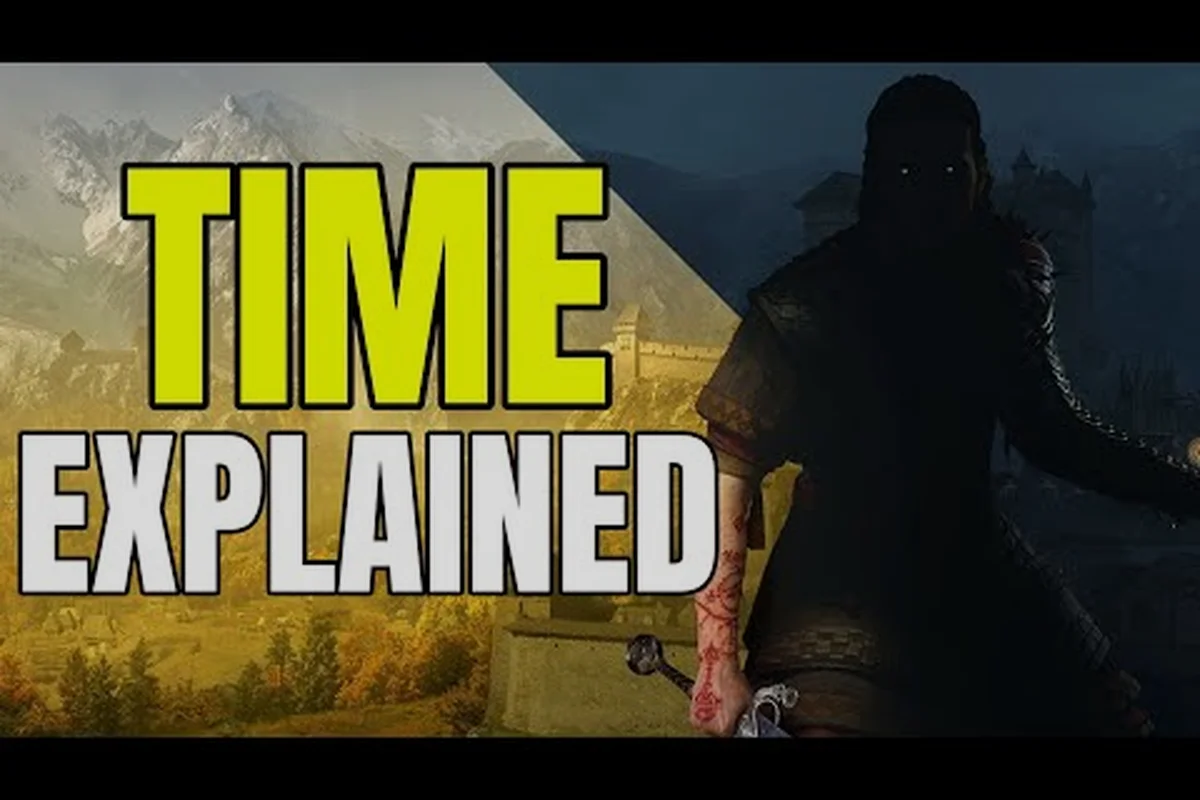
The Blood of Dawnwalker does time run out is one of the most pressing questions for anyone planning to step into Vale Sangora when the game launches in September 2026. Yes, time absolutely runs out — but the way the system works is far more forgiving and strategic than a simple countdown that punishes you for exploring. Understanding the 30-day structure, the eight time segments, and which quests advance the clock is the difference between a stressful first playthrough and one where you confidently manage every hour.
The core design philosophy, confirmed by developer Rebel Wolves through the official Steam page, is that the world waits for no one, and neither does the villain. Every quest you accept moves time forward, which means the choices you make about where to commit your limited days genuinely shape the story you experience. This guide breaks down exactly how the timer functions, what happens when it finally expires, and how you can make the most of every segment without feeling rushed. The decisions you make about where to commit your limited days genuinely shape the story you experience. This guide breaks down exactly how the timer functions, what happens when it finally expires, and how you can make the most of every segment without feeling rushed—and if you’re curious how a different title handles the same pressure, see our The Blood Of Dawnwalker Day Night Cycle breakdown for a contrasting take on time-driven narrative pacing.
The 30-Day Timer and Eight Time Segments Explained
The Hourglass Mechanic and Quest Time Costs
The hourglass icon displayed during quest selection is not cosmetic—it directly communicates the time segment cost before you commit. A quest marked with a full hourglass consumes an entire 30-day segment, while a partially filled hourglass indicates a shorter commitment. This allows you to compare quests side-by-side: a main story quest in Vale Sangora might demand 2 segments, whereas a side activity like hunting lesser vampires could cost only half a segment. Mastering this readout prevents accidental time loss on low-value objectives.
Prioritizing Main Quests Over Exploration
Exploration is completely free of time cost, but it yields no plot progression. This creates a strategic divide: scouring the open world for gear and lore costs zero segments, while each main quest in Brencis's storyline advances the clock. A practical approach is to explore thoroughly early, before committing to quests, then chain main objectives back-to-back. This way, you bank resources and map knowledge without burning time, leaving all 30 days available for the critical path.
The foundation of the time system in The Blood of Dawnwalker revolves around a 30-day countdown that represents the time remaining before your family's fate is sealed. Rather than a real-time ticking clock that forces you to rush through dialogue and exploration, the game uses a segmented structure that gives you breathing room while still maintaining narrative pressure.
According to the official Steam store page, the family's days are numbered, and every time you take on a quest, time moves forward, compelling you closer to the end. This means the game tracks time in discrete units rather than continuous seconds, which fundamentally changes how you approach progression.
The eight time segments structure divides each 24-hour period into distinct blocks, and understanding how these work is essential for planning your activities. Each segment represents roughly three hours of in-game time, but the key distinction lies in how they interact with the 30-day timer — only certain segments trigger the day/night cycle transitions that advance the overarching countdown. For example, the Dusk segment is where most side quests become available, while the Deep Night segment locks you out of certain safe zones and forces stealth-based approaches. Here is how the breakdown functions:
-
Each day contains multiple segments — the game splits day and night into chunks that represent meaningful periods for different activities.
-
Quests consume specific segments — when you commit to a quest, the hourglass indicator shows you how many segments it will cost before you accept it.
-
Exploration is free — wandering the open world, gathering resources, and talking to NPCs does not advance the clock at all.
-
Leveling up takes time — improving your character's abilities consumes segments, so you must balance progression against story commitments.
The hourglass indicator mentioned in community reports is your primary tool for making informed decisions. Before you commit to any quest or activity that matters to the plot, the game shows you exactly how much time it will consume, allowing you to weigh whether the reward justifies the cost. This transparency is what separates The Blood of Dawnwalker from other games with harsh time limits, because you are never blindsided by a decision that suddenly eats three days of your remaining time.
| Time System Element | How It Works | Player Impact |
|---|---|---|
| 30-Day Countdown | Total time before the final confrontation | Sets the overall pace of your playthrough |
| Eight Time Segments | Daily breakdown into discrete blocks | Determines how many activities fit in one day |
| Hourglass Indicator | Shows quest time cost before accepting | Enables informed decision-making |
| Free Exploration | No time cost for wandering | Encourages thorough world discovery |
| Leveling Time Cost | Character progression consumes segments | Forces trade-offs between power and story |
What Happens When Time Runs Out
The question of the blood of dawnwalker what happens when time runs out is central to understanding the stakes of the entire game. When the 30-day countdown reaches zero, the story reaches its conclusion based on everything you have accomplished — or failed to accomplish — during your time in Vale Sangora.
The game does not simply end with a game over screen. Instead, the final day arrives and triggers the climactic sequence that your choices have been building toward. The state of your family, the alliances you have forged, the enemies you have made, and the quests you have completed all factor into how this ending plays out.
Because the timer is tied to narrative progression rather than real-time play, you can spend as long as you want exploring, fighting optional enemies, and uncovering secrets without worrying about the clock. The pressure only mounts when you actively pursue main story objectives, which means the game rewards thorough exploration while still maintaining urgency around the central conflict.
Community reports from the official Discord server indicate that players who focus exclusively on main quests can finish well within the 30-day limit, while those who chase every side objective may find themselves cutting things close. This creates a natural difficulty curve where completionists face tougher decisions about what to prioritize.
| Scenario | Time Remaining | Likely Outcome |
|---|---|---|
| Main Quest Focus | 10-15 days left | Comfortable finish with time to spare |
| Balanced Approach | 3-7 days left | Tight but manageable with careful planning |
| Completionist Run | 0-2 days left | Must make hard cuts on remaining objectives |
| Missed Critical Quests | Varies | Certain endings become locked out |
Can You Run Out of Time and How to Stop the Timer
Players frequently ask the blood of dawnwalker can you run out of time in a way that locks them out of content permanently. The honest answer is yes, but the game provides enough information that you can avoid this outcome with proper planning.
The blood of dawnwalker how to stop the timer is not about pausing the countdown entirely — that is not possible. Instead, you manage the timer by being selective about which quests you accept and when you choose to level up. Since exploration costs nothing, you can spend unlimited time preparing for the challenges ahead before committing to story progression.
Here are the practical strategies for managing your remaining time effectively: prioritize main-story quests that advance the eight time segments over optional side content, since each segment consumes roughly one in-game day and triggers the Dawnwalker’s curse progression. Focus on the Blood of Dawnwalker main quests that explicitly warn of time passage, and save exploration for the time segments where you have already completed the critical path—this way, you avoid the what happens when time runs out scenario where the game forces a final confrontation without warning.
-
Always check the hourglass before accepting quests — the game tells you the cost upfront, so never commit blindly.
-
Batch exploration before questing — since wandering is free, clear out areas of interest before you start consuming segments.
-
Prioritize quests with time-sensitive rewards — some objectives may become unavailable if you wait too long, so tackle those first.
-
Delay leveling until necessary — because character progression costs time, only invest in levels when you need the power boost for an upcoming challenge.
-
Keep a mental map of remaining objectives — track which quests you still want to complete and estimate their total time cost against your remaining days.
The 30-day timer is generous enough for a full playthrough if you are strategic, but it does force you to make meaningful choices. You cannot do everything in a single run, which is precisely the point. The game wants your decisions to matter, and the time pressure ensures that every quest you accept comes with an opportunity cost.
| Management Strategy | Time Saved | Best Used When |
|---|---|---|
| Free Exploration First | Unlimited | Early game before major story beats |
| Quest Batching | 2-4 segments | Grouping objectives in the same region |
| Selective Leveling | 1-3 segments | Before challenging boss encounters |
| Skipping Optional Content | 5-10 segments | When pursuing a specific ending |
Which Quests Advance Time in The Blood of Dawnwalker
Leveling Up as a Hidden Time Sink
Leveling up is one of the less obvious time-advancing actions, as it does not require a quest marker. Each level gained consumes a portion of your 30-day timer, meaning aggressive grinding for XP to unlock night-form abilities can silently erode your available segments. For example, rushing from level 5 to 8 for a specific vampire power could cost you an entire day segment. Balance combat encounters against quest rewards—quests often grant both XP and plot progression, making them more time-efficient than random skirmishes.
The Two Gameplay Loops and Time Investment
The Steam store page confirms two distinct gameplay loops, each with different time implications. One loop focuses on vampiric night-form abilities and aggressive quest completion, which will drain your timer faster due to frequent plot-advancing actions. The other loop emphasizes stealth, investigation, and non-combat resolutions, potentially using fewer time segments per quest. Choosing the stealth loop can preserve more of the 30-day window, but may lock you out of certain combat rewards—a trade-off to weigh before committing your playthrough style.
Not every quest in The Blood of Dawnwalker ticks the eight time segments forward equally—main story objectives and certain high-stakes companion contracts consume a full segment upon completion, while most side activities like scavenging or dialogue branches leave the clock untouched. This distinction matters because the game’s doomsday timer only advances when you cross specific narrative thresholds, not through incidental exploration. To avoid wasting precious segments, prioritize quests marked with an hourglass icon in the journal, and save optional errands for the final segment of each day cycle—otherwise you risk triggering the endgame before you’ve secured key ally upgrades.
According to the Wikipedia entry for the game, only actions that affect the plot advance time in The Blood of Dawnwalker. There is no ticking timer while the player explores, and pursuing and completing quests advances the clock. This means the main story quests and significant side quests that tie into the narrative are the primary time consumers.
The distinction between quest types matters because it affects how you allocate your limited days: main story objectives and companion loyalty missions advance the time segment counter, whereas side activities like scavenging for reagents or exploring the open world do not. For example, completing a main story beat consumes one of the eight time segments, while a quick fetch quest for a merchant might not. Misjudging this can leave you with only one segment left before the dawnwalker's deadline, forcing you to skip crucial companion quests that unlock alternate endings.
-
Main story quests — these always advance time and typically consume multiple segments. They are the backbone of the 30-day countdown.
-
Narrative side quests — quests that expand the world and character relationships also cost time, though usually less than main objectives.
-
Faction and relationship quests — building alliances with the various powers in Vale Sangora requires time investment, and these choices can lock you into specific story paths.
-
Pure exploration and combat encounters — these never advance the clock, allowing you to engage with the game's systems freely.
The hourglass indicator becomes your best friend here because it removes guesswork. Before you commit to any quest, you see exactly how many segments it will consume, letting you compare the cost against the potential rewards. This transparency is a deliberate design choice by Rebel Wolves to ensure that time pressure comes from meaningful decisions rather than frustrating surprises.
| Quest Type | Advances Time? | Typical Segment Cost | Priority Level |
|---|---|---|---|
| Main Story | Yes | 2-4 segments | Highest |
| Narrative Side Quests | Yes | 1-2 segments | High |
| Faction Quests | Yes | 1-3 segments | Medium |
| Exploration Activities | No | 0 segments | Flexible |
| Combat Encounters | No | 0 segments | Flexible |
Strategic Time Management for Your Playthrough
Once you understand the mechanics, the next step is developing a strategy that fits your preferred playstyle. The blood of dawnwalker time segments system rewards players who think ahead, but it also accommodates those who prefer to improvise. For planners, mapping which of the eight time segments will be consumed by main story quests versus side content is critical—certain companion missions and exploration detours burn through a full segment without warning, so reserving at least two segments for contingency allows you to absorb unexpected failures. Improvisers, meanwhile, can lean on the game's fail-forward design, where a missed objective often reshuffles NPC schedules rather than locking you out entirely. Whichever approach you take, tracking which quests advance time in your journal before committing to a path prevents the dreaded scenario of hitting the final segment with unresolved character arcs.
For players who want to experience as much content as possible, the key is to prioritize quests that offer unique rewards or story moments early in the playthrough. Since you cannot complete everything in one run, identifying which objectives matter most to you personally will guide your time allocation.
The eight time segments per day give you a natural rhythm for structuring your activities, and understanding how each segment maps to quest progression is the key to avoiding a forced ending. Since the game's timer only ticks forward when you advance the main story or complete specific side quests (not during free exploration), you can safely use the early segments for scavenging and companion bonding. A typical day might look like this:
-
Morning segments — handle quick side quests and gather resources while the area is less dangerous.
-
Afternoon segments — tackle main story objectives when you have a clear picture of what remains.
-
Evening segments — engage in character progression and relationship building.
-
Night segments — explore vampire-focused content and take advantage of your night form abilities.
This structure ensures you are always making progress on multiple fronts without wasting time on activities that could be batched together. The game's design encourages this kind of thoughtful planning, and players who approach the timer strategically will find themselves with days to spare.
Community data from the official Discord suggests that most players finish their first playthrough with 5-10 days remaining when they focus on the main story and a handful of side quests. Those who chase every objective report finishing with only 1-3 days left, which creates a tense final stretch but is still manageable with careful prioritization.
Frequently Asked Questions
Does time run out in The Blood of Dawnwalker?
Yes, the game features a 30-day countdown that represents the time before the story's climax. However, only quests and leveling advance the clock, so exploration and combat do not consume time. The hourglass indicator shows you the cost of each quest before you accept it.
What happens when time runs out in The Blood of Dawnwalker?
When the 30-day timer reaches zero, the final confrontation begins based on all your accumulated choices. The ending reflects which quests you completed, which factions you allied with, and how you managed your family's fate. You do not get a game over, but certain outcomes become locked based on your actions.
Can you run out of time in The Blood of Dawnwalker?
You can run out of time if you accept too many quests without planning, but the game gives you tools to avoid this. Since exploration is free and quest costs are shown upfront, you can manage your remaining days effectively. Completionists may need to make hard cuts on optional content.
How do you stop the timer in The Blood of Dawnwalker?
You cannot pause or stop the timer entirely, but you can manage it by being selective about quests and leveling. Since exploration costs nothing, spend unlimited time preparing before committing to story progression. Prioritize time-sensitive quests and batch objectives in the same region to save segments.
Which quests advance time in The Blood of Dawnwalker?
Only main story objectives, narrative side quests, and faction-related activities advance the 30-day timer in The Blood of Dawnwalker. Exploration, combat, and resource gathering cost nothing, so you can freely roam Vale Sangora. The hourglass indicator displays each quest's segment cost before you commit, letting you prioritize efficiently.