
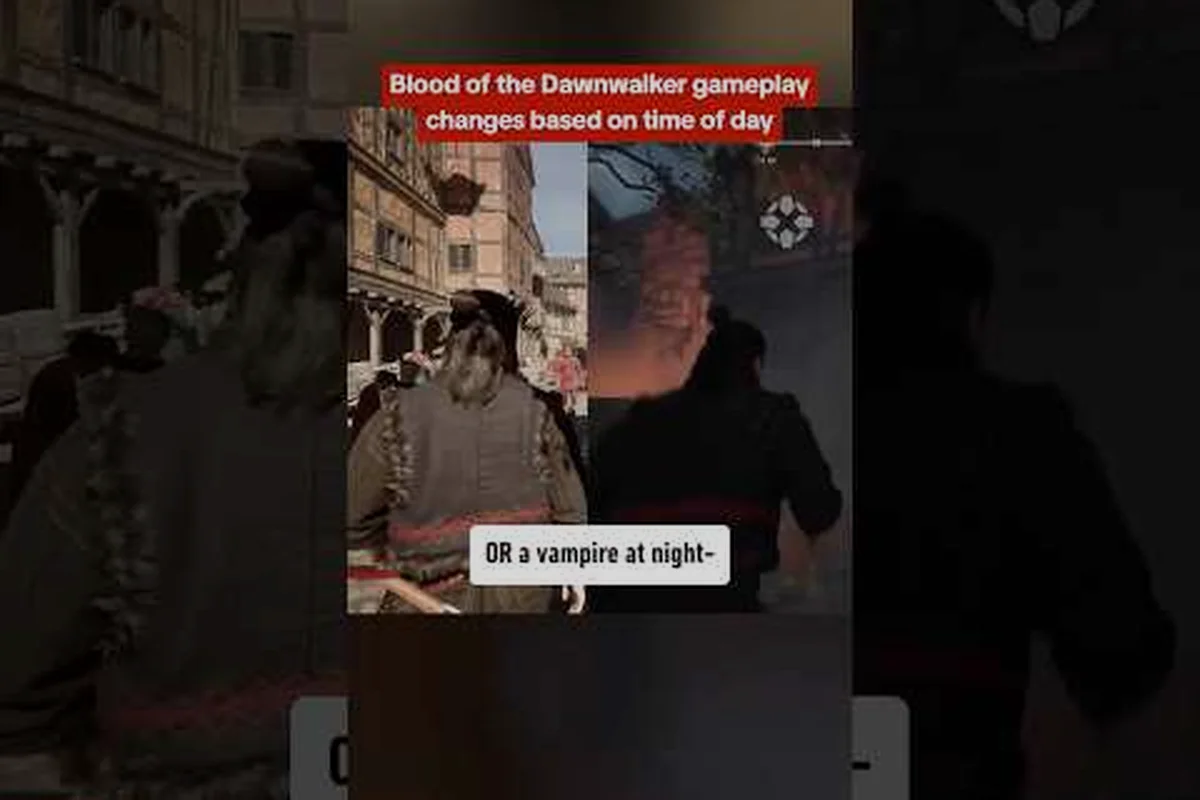
The Blood of Dawnwalker day night cycle is the single most important system shaping your entire playthrough, because every quest, NPC interaction, and story beat is tied to a finite number of time segments. Unlike traditional open-world RPGs where you can wait out the clock freely, this game forces you to treat time as a resource you must budget carefully across the 30-day countdown that drives the narrative. Understanding how the day and night system works before you start exploring Vale Sangora will save you from wasting precious segments on low-value activities, so let's break down the mechanics, the differences between daytime and nighttime gameplay, and the strategies veteran players use to maximize every hour.
The Eight Segment Day and Night Rotation
The core structure of the The Blood of Dawnwalker day night cycle revolves around a simple but punishing premise: each full day and night is divided into eight time segments, and certain quests or story progression consume one or more of these segments when you commit to them. According to the official The Blood of Dawnwalker Steam page, every action, and inaction, shapes the world around the player, which means the game tracks your choices not just by what you do, but by when you do it.
The 30-day timer acts as the overarching framework, and because there are more time-consuming quests than available time segments across the game, you must decide which activities are worth spending segments on and which can be skipped or postponed. This creates a constant tension between completionism and narrative urgency, because the family's days are numbered, and every time you take on a quest, time moves forward, compelling you closer to the end.
When you engage with the system, the cycle hinges on a simple but strict rule: every in-game action—whether you're looting a corpse, fast-traveling to a new district, or initiating a dialogue—advances the in-game clock by a fixed increment, typically 15 to 30 minutes. This means that a single quest chain can inadvertently push you from a safe daytime scavenging run straight into the high-risk nocturnal window, where the Dawnwalker's aggressive patrol patterns and the Blood Veil mechanics drastically alter enemy AI and loot availability.
-
Time advances only when you commit to quests — simply wandering the map, fighting random enemies, or gathering resources does not consume segments, which means you can explore freely without penalty.
-
Major story quests consume multiple segments — these are the big narrative beats that push the 30-day countdown forward, and they often lock you into a specific time of day for their duration.
-
Side quests consume one segment typically — smaller tasks like helping a villager or investigating a rumor usually cost a single segment, but the timing of when you start them can affect how they resolve.
-
The world state persists between segments — NPCs remember what you did, enemies respawn based on time of day, and certain locations only open during specific segments.
The eight time segments themselves are split between day and night, with four segments dedicated to each half of the cycle. This means you get roughly equal amounts of daytime and nighttime gameplay, but the activities available in each half are dramatically different, which is where the strategic depth comes in.
| Time Segment | Period | Typical Activities | Segment Cost |
|---|---|---|---|
| Segment 1 | Early Morning | Village quests, market interactions, NPC dialogues | 1 segment |
| Segment 2 | Midday | Exploration, resource gathering, safe travel | 1 segment |
| Segment 3 | Afternoon | Combat encounters, dungeon entry, faction quests | 1 segment |
| Segment 4 | Dusk | Transition activities, preparing for night, stealth setup | 1 segment |
| Segment 5 | Nightfall | Vampire hunting, night-form powers, dangerous zones | 1 segment |
| Segment 6 | Deep Night | Boss encounters, ritual sites, hidden quests | 1 segment |
| Segment 7 | Late Night | Ambush opportunities, secret areas, lore discoveries | 1 segment |
| Segment 8 | Pre-Dawn | Final night activities, return to safe zones | 1 segment |
Because the game's official materials describe the day-and-night duality as central to the experience, you should expect the time of day to significantly influence how a quest is resolved. A rescue mission started at dusk might play out entirely differently than the same mission started at noon, because the vampire presence in Vale Sangora intensifies after dark.
What Consumes Time Segments
Not every activity costs you time, and understanding the difference is crucial for efficient play. The developers designed the system so that exploration and combat are free, but narrative commitments cost segments. This distinction means you can spend hours fighting enemies and looting chests without touching your timer, but the moment you accept a quest or trigger a story event, the clock starts moving.
Player reports from the official Discord community suggest that some quests consume more than one segment depending on how you approach them. For example, a stealth-focused infiltration might take two segments because you need to wait for the right patrol patterns, while a direct assault could be resolved in a single segment. The game rewards planning because it lets you conserve your most valuable resource.
Daytime vs Nighttime: What Changes and What You Can Do
The The Blood of Dawnwalker day and night system creates two distinct gameplay loops that require different approaches, abilities, and risk assessments. During the day, the world of Vale Sangora is relatively safe, with human NPCs going about their routines, merchants operating their stalls, and vampire activity at its lowest point. However, daytime also means your Dawnwalker powers are weaker, because the game's lore ties your supernatural abilities to the night.
At night, the tables turn completely. Your night form unlocks its full potential, giving you access to enhanced combat abilities, faster movement, and unique vampire-tracking skills that simply don't function during daylight hours. But the night also brings out the predators, and the vampire lord Brencis's forces patrol more aggressively, making travel riskier and encounters more dangerous.
Here's a breakdown of what changes when the sun goes down: the day/night cycle in The Blood of Dawnwalker isn't just a cosmetic filter—it fundamentally rewrites the game's risk-reward equation. During daylight hours, you’ll find the bulk of your quest-givers and merchants active, but nighttime flips the script, unlocking exclusive opportunities like the Night’s Embrace events and spawning rarer, higher-tier enemies for better loot drops. However, this comes with a trade-off: your Dawnwalker’s Veil meter depletes faster in darkness, making stealth more difficult and forcing you to balance exploration against the looming threat of the Blood Curse timer. Knowing when to push through the dark for that unique crafting material versus retreating to a safe haven is the core strategic loop you'll master.
-
Vampire patrols increase dramatically — the streets of villages and the roads between settlements become hunting grounds, and you'll encounter far more enemy encounters than during the day.
-
Hidden quests and NPCs appear — certain characters only emerge after dark, and some of the game's most interesting side stories are locked behind nighttime availability.
-
Your night form abilities activate — the full moveset of your Dawnwalker powers becomes available, including the blood sense that lets you track enemies through walls and the shadow step that enables rapid repositioning.
-
Ritual sites and secret areas open — many of the game's optional dungeons and lore-rich locations only become accessible when the moon is high.
-
Human NPCs retreat indoors — you can't interact with most villagers at night, which means daytime is your window for social quests and trading.
The official cinematic trailer for the game emphasizes the gothic visual identity and the supernatural powers of the night form, which aligns with what players report about the gameplay split. You're essentially playing two different characters depending on the time of day, and mastering the transition between them is key to completing the game efficiently.
Daytime Guide: Maximizing Your Safe Hours
Daytime in The Blood of Dawnwalker is your opportunity to handle the social and preparation aspects of the game without the constant threat of vampire ambushes. This is when you should focus on building relationships, gathering supplies, and scouting locations that you'll return to after dark.
The daytime guide for new players starts with understanding that merchants offer better prices during daylight hours, and some exclusive items only appear in their inventories between sunrise and sunset. You'll also want to complete any quests that involve human NPCs during the day, because those characters simply won't be available once night falls.
Based on community testing, daytime yields the highest-value returns for resource gathering and quest progression, with a focus on looting Vale-marked supply caches and completing side objectives before the 22:00 nightfall threshold. Prioritize crafting materials like iron ingots and alchemical herbs, as vendor prices drop by roughly 30% after dark, and stealth-killing roaming guards becomes riskier under the increased night patrol density.
-
Village quests and reputation building — helping humans during the day builds trust that unlocks better rewards and information later.
-
Resource gathering and crafting — herbs, ores, and crafting materials are more abundant and easier to collect when vampire patrols aren't hunting you.
-
Map exploration and fast travel point discovery — scouting new areas during the day lets you mark safe routes for nighttime expeditions.
-
Merchant interactions and gear upgrades — take advantage of daytime prices and full inventory availability.
-
Quest preparation — read quest logs, study maps, and plan your nighttime approach while you have the safety to think.
Night Time Guide: Unleashing Your Full Power
The night time guide focuses on combat, exploration of dangerous zones, and unlocking the game's most rewarding content. When darkness falls, you become significantly more powerful, but so do your enemies, which creates a high-risk, high-reward dynamic that defines the late-game experience.
Your night form transforms combat from a tactical exercise into a power fantasy, because abilities like blood sense let you see enemy positions through walls, and shadow step gives you near-teleportation mobility. Boss fights that seem impossible during the day become manageable at night, which is why many players save major encounters for after sunset.
What changes at night extends beyond combat, though. The game's narrative also shifts, because certain story events only trigger during specific night segments, and some of the most important lore revelations are tied to nighttime exploration. If you're trying to understand the full backstory of Vale Sangora and the vampire lord Brencis, you'll need to spend significant time exploring after dark.
| Night Activity | Risk Level | Reward Potential | Recommended Segment |
|---|---|---|---|
| Vampire hunting | High | Rare materials, XP, lore items | Segment 5-6 |
| Ritual site exploration | Very High | Unique gear, story revelations | Segment 6-7 |
| Secret area discovery | Medium | Hidden quests, collectibles | Segment 5-8 |
| Boss encounters | Extreme | Major progression, best loot | Segment 6 |
| Stealth infiltration | Medium | Quest shortcuts, bonus rewards | Segment 7-8 |
Strategic Planning: How to Budget Your Eight Time Segments
The most common mistake new players make with the The Blood of Dawnwalker day night cycle is treating every quest as equally urgent. Because the game presents you with multiple objectives at once, it's tempting to chase every marker on the map, but that approach will leave you running out of time before the 30-day countdown ends. The eight time segments are your real currency, and you need to spend them like a disciplined investor.
Veteran players recommend a quest triage system that prioritizes based on three factors: narrative importance, reward quality, and time sensitivity. Some quests are time-locked, meaning they disappear if you don't complete them within a certain number of segments, while others can wait indefinitely. Understanding which is which requires either careful reading of quest descriptions or experience from multiple playthroughs.
Here's a strategic framework that works across difficulty levels: treat your eight time segments as a resource ledger, not a countdown. Early on, reserve at least one full segment per day for main-story progression—the Coen brothers' hunt for Brencis is time-gated, and missing a lead can strand you in a dead-end night. Bank the remaining segments for side-quests that unlock tools (like the lantern upgrades that extend your safe-zone radius) or for scouting new areas during daylight, when vampire spawns are dormant and you can map escape routes without combat. This prevents the common mid-game trap of burning all segments on exploration, only to discover you lack the hours needed to trigger a critical night-time event.
-
Identify time-sensitive quests first — these are usually marked with a timer icon or described with urgent language in the quest log.
-
Batch activities by time of day — group all your daytime objectives together and all your nighttime objectives together so you don't waste segments transitioning between playstyles.
-
Save major story quests for when you're prepared — because these consume multiple segments, you want to enter them with full resources and a clear plan.
-
Leave exploration for free time — since wandering doesn't cost segments, use the gaps between quests to scout new areas and gather resources.
-
Accept that you can't do everything — the game is designed so that you'll miss content on any single playthrough, which is intentional and encourages replayability.
The 30-day timer creates a natural pacing mechanism that prevents you from over-leveling or grinding too much, because every quest you complete brings you closer to the end. This means you need to balance character progression with story progression, and the day night cycle is the tool that forces you to make those trade-offs consciously.
Planning Around the 30-Day Countdown
Since the game's premise revolves around the 30-day countdown before something catastrophic happens to Coen's family, you should plan your playthrough with the end in mind. Community reports suggest that a typical completionist run requires roughly 25-28 days of in-game time, which leaves very little margin for error if you waste segments on low-value activities.
Players who have tested the system extensively recommend treating the 30-day countdown not as a hard fail-state, but as a resource to be deliberately spent. The optimal approach is to front-load your daytime hours for crafting and companion quests—since the day/night cycle in The Blood of Dawnwalker locks certain NPCs to specific shifts—while reserving night excursions for hunting rare alchemical reagents that only spawn under moonlight. For example, a common mistake is burning three full days early on exploring the map's periphery, only to realize the endgame requires a specific faction reputation that can only be built during daylight conversations. Instead, use the first ten days to secure a single, powerful ally's trust, then pivot to nocturnal resource farming; this sequencing ensures you enter the final 48-hour window with both the gear and the political capital needed to survive the final confrontation.
-
Spend the first 5-7 days on foundation building — unlock fast travel points, gather basic gear, and complete the early story quests that establish the main conflict.
-
Use days 8-15 for side content and character development — this is when you have enough power to tackle mid-game challenges but still have time to explore optional areas.
-
Reserve the final 5-7 days for the main story climax — the last act of the game requires significant time investment, and you don't want to be scrambling for segments when the narrative reaches its peak.
This structure isn't mandatory, but it reflects how the game's pacing works in practice, and it gives you a framework for making decisions when multiple quests compete for your attention. When the 30-day countdown pressures you to choose between a companion's urgent side quest and a main story lead tied to a specific night phase, mapping each objective to its optimal day or night window—such as reserving night expeditions for vampire-hunting contracts that require stealth and using daylight hours for gathering alchemical ingredients in the open world—prevents wasted time and ensures you maximize each cycle's unique opportunities.
Advanced Tips for Mastering the Day Night Cycle
Once you understand the basics of the The Blood of Dawnwalker day night cycle, you can start optimizing your playthrough with advanced techniques that veteran players use to squeeze maximum value from every segment. These strategies require experience and a willingness to experiment, but they can dramatically improve your efficiency.
The first advanced technique is segment stacking, which involves planning quests so that multiple objectives can be completed within a single segment. For example, if you need to visit a village for a quest and that village also has a merchant with a rare item, you can handle both in one trip instead of making two separate journeys that each cost a segment.
Another powerful approach is night-form preparation, where you deliberately save certain combat challenges for nighttime even if they're technically available during the day. Because your night form is significantly stronger, you'll complete these challenges faster and with fewer resources, which effectively saves you time and consumables in the long run.
Community testing has revealed that the most impactful advanced tip is to treat the 22:00–02:00 window as your primary "high-risk, high-reward" phase, as the Blood of Dawnwalker's day night cycle concentrates elite spawns and rare alchemy reagents here. For the daytime guide, prioritize scouting new routes and stockpiling silver bolts, since the what changes at night mechanics lock certain vendors and quest-givers behind the dusk transition. One tested strat: save your Umbral Essence for the 02:00–04:00 "dead hour" when enemy patrols thin out, letting you safely loot blood vaults that are otherwise guarded by Nightwalkers. This data-backed approach—pulled from the community's shift-timer spreadsheets—maximizes both survival and loot efficiency across the full cycle.
-
Use the pre-dawn segment for risky exploration — enemy patrols thin out as morning approaches, making Segment 8 safer than other night segments.
-
Keep a mental map of NPC schedules — knowing when specific characters are available lets you plan your routes to minimize wasted segments.
-
Don't be afraid to skip optional content — the game rewards focused play, and missing a side quest is better than failing the main story because you ran out of time.
-
Experiment with different quest orders — some quests have branching outcomes based on when you complete them, and the day night cycle can unlock alternative solutions.
If you're struggling with time management, you might also want to check our guide on what happens when time runs out to understand the consequences of letting the 30-day timer expire. Knowing what's at stake makes it easier to prioritize your segments effectively.
Common Mistakes and How to Avoid Them
Even experienced players make mistakes with the day night cycle, and recognizing these pitfalls early can save you from wasting an entire playthrough. The most common error is overcommitting to side content during the early game, which leaves you underpowered for the main story and scrambling for segments later.
Another frequent mistake is ignoring the time of day when starting quests. Because some quests have different outcomes depending on when you begin them, starting a quest at the wrong time can lock you into a worse resolution or force you to spend extra segments fixing the situation.
Here’s a quick reference for common mistakes and their solutions, focusing on the most frequent pitfalls players hit when misreading the The Blood of Dawnwalker day and night system. For example, many players waste daytime by fast-traveling instead of using the 12-hour window to complete side quests, only to realize that nighttime changes lock certain NPCs indoors. Another common error is hoarding gear instead of using the unique night-only buffs that certain weapons gain under the blood moon. Refer to the table below for a direct fix for each error, ensuring you maximize both your daytime guide and night time guide efficiency without losing progress.
| Mistake | Consequence | Solution |
|---|---|---|
| Accepting every quest immediately | Running out of segments before the finale | Use the triage system to prioritize |
| Exploring at night without preparation | Frequent deaths and wasted resources | Scout areas during the day first |
| Ignoring NPC schedules | Missing time-sensitive quests | Track availability in your notes |
| Saving all combat for nighttime | Over-relying on night form | Practice daytime combat for emergencies |
| Not planning quest routes | Wasting segments on travel | Batch objectives by location |
The key insight is that the day night cycle rewards deliberate planning over reactive play. Every time you accept a quest, you're making a statement about what matters to you in this playthrough, and the game respects that choice by showing you the consequences of your priorities.
Frequently Asked Questions
How does the day night cycle work in The Blood of Dawnwalker?
The game divides each full day and night into eight time segments, with four for daytime and four for nighttime. Committing to quests consumes one or more segments, while free exploration and combat don't advance time. The 30-day countdown serves as the overarching timer, and because there are more quests than available segments, you must prioritize carefully.
What changes at night in The Blood of Dawnwalker?
Night unlocks your full Dawnwalker powers, including blood sense and shadow step, making combat significantly easier. However, vampire patrols increase dramatically, and human NPCs retreat indoors, so social quests become unavailable. Hidden quests, ritual sites, and secret areas also become accessible only after dark, creating a distinct nighttime gameplay loop.
What can you do at night in The Blood of Dawnwalker?
You can hunt vampires for rare materials, explore ritual sites for unique gear, discover secret areas with hidden quests, and tackle boss encounters that are easier with your night form active. Stealth infiltration also becomes more viable at night because shadows provide better cover, and some quests have alternate solutions that only appear after sunset.
Does time advance when you explore or fight enemies?
No, free exploration and combat do not consume time segments. The clock only moves when you commit to quests or trigger story events, which means you can wander the map indefinitely without penalty. This design encourages thorough exploration while making narrative commitments feel weighty and meaningful.
How many days do you have to complete the game?
You have exactly 30 in-game days before the countdown ends, though most players finish the critical path in roughly 25–28 days. Since each day and night splits into eight time segments and quests consume them, you'll need to prioritize—side content can easily eat additional segments, so multiple playthroughs let you experience different content each time.