
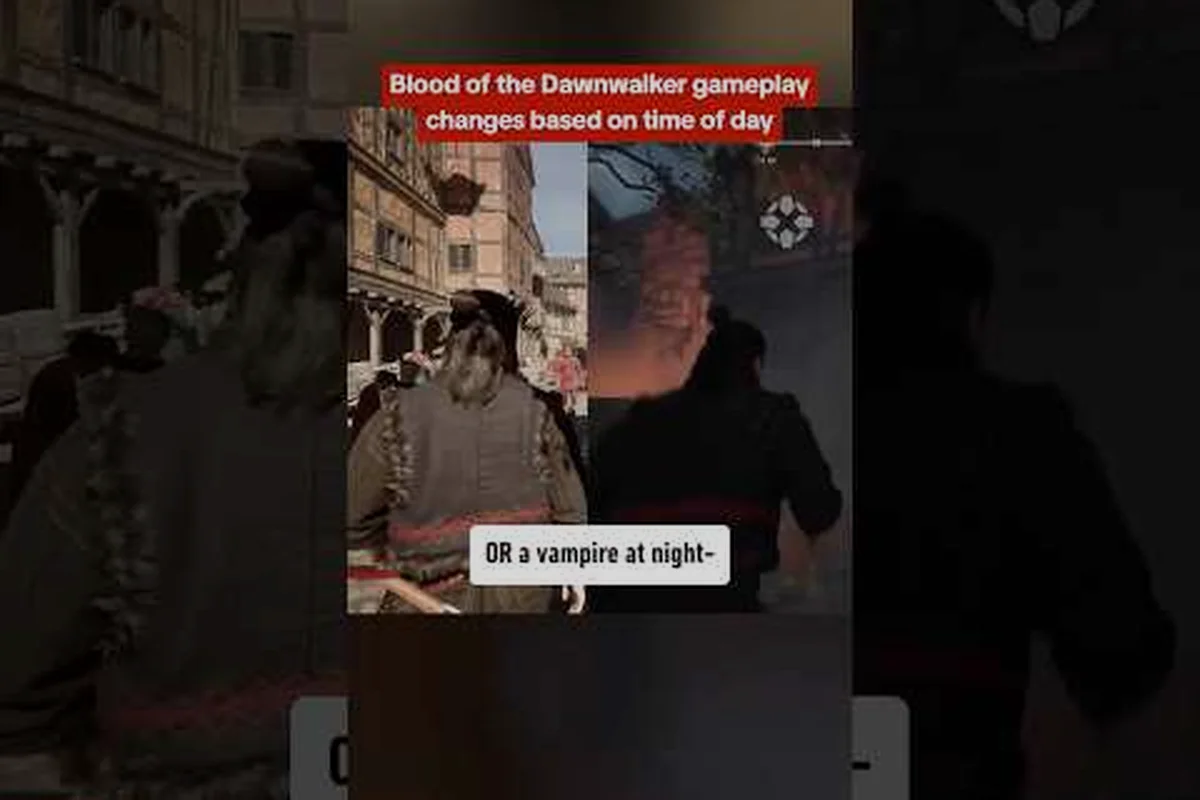
The Blood of Dawnwalker night activities are where the game's most dangerous secrets hide, and knowing exactly what to prioritize after sunset can reshape your entire 30-day run. Because the game divides every full cycle into eight distinct time segments, night isn't just a visual change — it's a completely different ruleset that determines which quests are available, which NPCs appear, and which areas become accessible. If you've been treating nighttime as a simple waiting period before dawn, you're leaving some of the most valuable content on the table.
The community over at r/DawnwalkerOfficial has been dissecting how the eight daily time segments interact with quest availability, and the consensus is clear: night activities in The Blood of Dawnwalker are the most distinctive feature separating it from other open-world RPGs. This guide breaks down the best night activities, how the cycle mechanics actually work, and whether you can keep playing after the timer hits zero.
Night Activities That Matter Most in The Blood of Dawnwalker
When the sun dips below the horizon, the game's tone shifts from survival to aggression. Night is when Coen's Dawnwalker powers reach their full potential, and the world responds accordingly — vampire patrols become more frequent, hidden entrances open, and certain NPCs only emerge after dark. Understanding which night activities deserve your limited time segments is the difference between a fulfilling playthrough and one where you constantly feel behind.
Here's what you should prioritize when night falls:
-
Vampire-only areas: Several locations are physically inaccessible during daylight, requiring the Shadowstep ability to slip through sealed gates and collapsed tunnels that only open at night.
-
Night-exclusive quest givers: Certain characters, including the mysterious Marta the Lantern Keeper, refuse to speak during the day and only appear in specific districts after sunset.
-
Resource-rich hunting grounds: Night spawns more blood essence nodes and rarer crafting materials, making it the optimal time for gathering runs.
-
Stealth infiltration windows: Guards are more alert but also more spread out at night, which paradoxically makes some approaches easier if you use the darkness to your advantage.
The key insight here is that night activities in The Blood of Dawnwalker aren't just side content — they're woven into the main quest structure. According to the official Wikipedia entry, the time of day often has a significant influence on how a quest is resolved, meaning the same mission can play out completely differently depending on when you choose to tackle it.
Budgeting Nighttime Segments for Quests
Each day and night cycle is divided into eight segments, and quests consume one or more of these segments when you engage with them. This means you can't just wander aimlessly — every night activity you commit to costs real progression time. The game tracks this carefully, and because there are more time-consuming quests than available segments across the entire run, you must decide which night activities are worth the investment.
The eight time segments break down roughly into four daytime segments and four nighttime segments, though the exact split can vary based on story progression. What matters for your planning is that night activities like vampire lair raids or forbidden ritual interruptions typically consume two segments, while smaller tasks like collecting night-bloom herbs might only cost one. Planning your night route before you commit to any activity prevents wasted segments that could have gone toward main story progression.
Cycle Mechanics Explained: What Changes When the Sun Sets
The Blood of Dawnwalker cycle mechanics explained simply: day and night aren't cosmetic overlays — they're mechanical states that alter enemy behavior, NPC availability, and even physics-based puzzles. During the day, sunlight weakens Coen's vampiric abilities, reducing his regeneration and making some combat encounters significantly harder. At night, those same abilities surge, but new threats emerge that don't exist during daylight hours.
What makes the cycle system so compelling is that it forces genuine trade-offs. You might need to complete a day-exclusive quest that requires full sunlight, but doing so means delaying a night-only ritual that's on a strict timer. The game never lets you have everything, which is why understanding the cycle mechanics is essential before you commit to a strategy.
| Time Period | Coen's Abilities | Enemy Behavior | Available Content |
|---|---|---|---|
| Day | Reduced regeneration, weaker blood magic | Patrols are predictable, fewer ambushes | Day-exclusive quests, market vendors, sunlight puzzles |
| Night | Full Dawnwalker powers, enhanced mobility | Aggressive vampire patrols, more ambushes | Vampire lairs, night-only NPCs, hidden entrances |
| Transition | Brief power surge, unstable state | Enemies reposition, new spawns appear | Limited-time events, special encounters |
This table represents the core of the day-night system, and it's worth internalizing before you plan your route. The transition periods between day and night are particularly valuable because they offer unique encounters that don't appear at any other time — if you're not paying attention, you'll miss them entirely.
Does Sleeping Advance Time in The Blood of Dawnwalker?
One of the most common questions about the cycle mechanics is whether you can skip time by sleeping. The answer is nuanced: sleeping does advance time, but it consumes a full time segment and comes with consequences. When you sleep through a night, you miss every night activity that was available during that window, including any night-exclusive quests that might have been on your radar.
The trade-off is that sleeping restores your health and clears certain status effects, which can be valuable if you're heading into a difficult daytime encounter. However, the community consensus reported by players is that sleeping should be a last resort rather than a regular habit — the time you save by skipping night activities rarely outweighs the content you miss. If you're wondering whether you can just sleep through the night to reach a specific daytime event, the answer is yes, but you'll pay for it in lost opportunities.
Best Night Activities Ranked by Value
Not all night activities are created equal, and ranking them by value helps you allocate your limited time segments more effectively. Based on community testing and the official Steam page feature descriptions, here's how the best night activities stack up:
| Priority | Night Activity | Time Cost | Reward Value | Risk Level |
|---|---|---|---|---|
| 1 | Vampire lair raids | 2 segments | Unique loot, story progression | High |
| 2 | Night-only NPC quests | 1-2 segments | Exclusive story content, rare items | Medium |
| 3 | Blood essence farming | 1 segment | Core resource for upgrades | Low |
| 4 | Hidden entrance exploration | 1 segment | Lore fragments, secret areas | Medium |
| 5 | Stealth infiltration | 1-2 segments | Quest shortcuts, bonus rewards | High |
The vampire lair raids sit at the top of the list because they offer the best combination of story relevance and mechanical rewards. These aren't just combat encounters — they're multi-stage missions that often require you to use your Shadowstep ability creatively, and they frequently unlock new areas that remain accessible even after the raid is complete. If you only have time for one night activity per cycle, make it a lair raid.
How to Maximize Your Night Efficiency
Efficiency is everything when you're working with a limited number of time segments. The most effective approach is to plan your night route before the sun sets, identifying which night activities are available and which ones you can realistically complete in the segments you have. This planning phase is where most players either succeed or fail — those who wing it often waste segments traveling between locations that are far apart.
A practical strategy is to cluster activities by district. If you're heading to the Eastern Quarter for a vampire lair raid, check whether any night-only NPC quests are available in the same area before you commit. Completing multiple night activities in the same district reduces travel time, which effectively gives you more usable segments per cycle. This approach is especially important in the later stages of the game when the time pressure becomes more intense.
Time Limit and Multiple Playthroughs: What Carries Over
The 30-day time limit is the game's most controversial mechanic, and it directly affects how you approach night activities. Because the timer never pauses — except during certain story moments — every night activity you complete moves you closer to the end of your run. This creates a natural tension between wanting to experience everything and needing to progress the main story before time runs out.
The good news is that multiple playthroughs are clearly intended. The game's structure encourages you to make different choices in different runs, which means you'll naturally see different night activities depending on your priorities. According to the official story trailer, the 30-day countdown is central to the narrative, and the game's design accounts for the fact that you won't see everything in a single playthrough.
Can You Play After the Timer Runs Out?
The question of whether you can play after the timer hits zero is one of the most debated topics in the community. Based on what Rebel Wolves has revealed so far, the timer ending triggers the game's finale sequence, after which you enter what's effectively an endgame state. This means you can continue exploring and completing side content, but the main story is locked in based on the choices you made during your 30-day run.
The endgame after story content is designed to be replayable, with some activities only becoming available once you've completed the main narrative. This is where the game's multiple playthroughs philosophy really shines — you can use your first run to experience the story, then use subsequent runs to focus on night activities you missed the first time. The timer doesn't permanently lock you out of content; it just determines which content you see in which order. Once you've got a feel for the day-to-night rhythm, you can check out The Blood Of Dawnwalker What Can You Do During The Day to plan exactly which daytime activities to prioritize on your second playthrough.
Advanced Night Strategies for Experienced Players
Once you've mastered the basics, there are several advanced strategies that can dramatically improve your night efficiency. These aren't required for a successful playthrough, but they're worth considering if you want to squeeze every drop of value from your limited time segments.
The first advanced strategy is ritual timing optimization. Certain night activities become available only during specific time segments — for example, a blood ritual might only be accessible during the second night segment, not the first. By tracking which activities unlock at which segments, you can plan your night route with precision, ensuring you never miss a time-sensitive event.
The second strategy involves resource pre-farming. Because night activities consume time segments, you want to minimize the number of segments you spend on gathering. By pre-farming blood essence and other resources during the day, you free up your night segments for higher-value activities like lair raids and NPC quests. This requires careful planning, but the payoff is significant.
| Strategy | Difficulty | Time Savings | Best Used When |
|---|---|---|---|
| District clustering | Easy | 10-15% | Early game, when you're still learning the map |
| Ritual timing | Medium | 15-20% | Mid-game, when you know the segment schedule |
| Resource pre-farming | Hard | 20-30% | Late game, when time pressure is highest |
| Night-only route planning | Medium | 15-25% | Any point, once you've mapped night locations |
These advanced strategies work best when combined. A player who clusters activities by district, times their rituals precisely, and pre-farms resources will have significantly more usable time segments than someone who approaches night activities randomly. The learning curve is real, but the reward is a much more complete playthrough.
Common Mistakes That Waste Night Segments
Even experienced players make mistakes that waste precious night segments. The most common error is over-committing to combat. Night combat is more dangerous than daytime combat, and if you're not properly prepared, you can easily burn through multiple segments recovering from a single failed encounter. Always check your health and resource levels before engaging in night combat, and don't be afraid to retreat if the odds aren't in your favor.
Another frequent mistake is ignoring transition periods. The brief windows between day and night often feature unique events that don't appear at any other time, and players who fast-travel or sleep through these transitions miss them entirely. If you're trying to maximize your night activities, always be aware of when transitions are approaching and position yourself to take advantage of them.
The last major mistake is failing to track quest timers. Some night activities are on their own internal timers, and if you don't complete them within a certain number of segments, they expire permanently. This is especially true for night-exclusive quests, which often have stricter deadlines than their daytime counterparts. Keeping a mental or physical log of which quests are time-sensitive can save you from losing content you didn't realize was on a timer.
Frequently Asked Questions
What are the best night activities in The Blood of Dawnwalker?
The best night activities include vampire lair raids, night-only NPC quests, blood essence farming, and hidden entrance exploration. Vampire lair raids offer the best combination of story relevance and mechanical rewards, making them the top priority when you have limited time segments available.
Does sleeping advance time in The Blood of Dawnwalker?
Yes, sleeping advances time by consuming a full time segment. However, sleeping through the night means you miss all night activities available during that window, including night-exclusive quests. Sleeping restores health and clears status effects, but it should be used sparingly because the content you miss rarely justifies the convenience.
Can you play after the timer runs out in The Blood of Dawnwalker?
Yes, the timer ending triggers the game's finale sequence, after which you enter an endgame state. You can continue exploring and completing side content, but the main story is locked based on your choices during the 30-day run. The endgame after story content is designed to be replayable.
How do multiple playthroughs work with the time limit?
Multiple playthroughs are clearly intended by the game's design. Different choices in different runs lead to different night activities and story outcomes, so you'll naturally see new content in subsequent playthroughs. The time limit doesn't permanently lock you out of content; it just determines which content you see in which order.
What happens if you waste too many night segments?
Wasting too many night segments means permanently missing night-exclusive quests tied to Coen's transformation, since each of the 30 days splits into eight segments. You'll still finish the main story, but you'll lose companion side-content and ending variations. Prioritize Brencis-related missions first—they carry the most narrative weight.